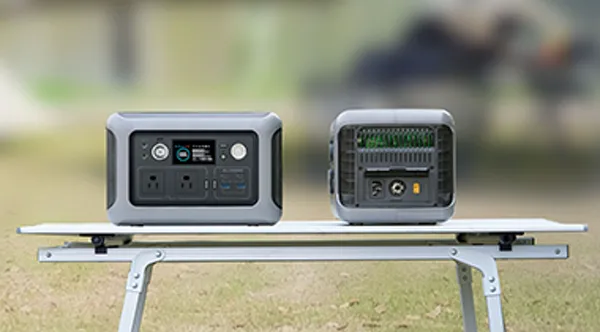
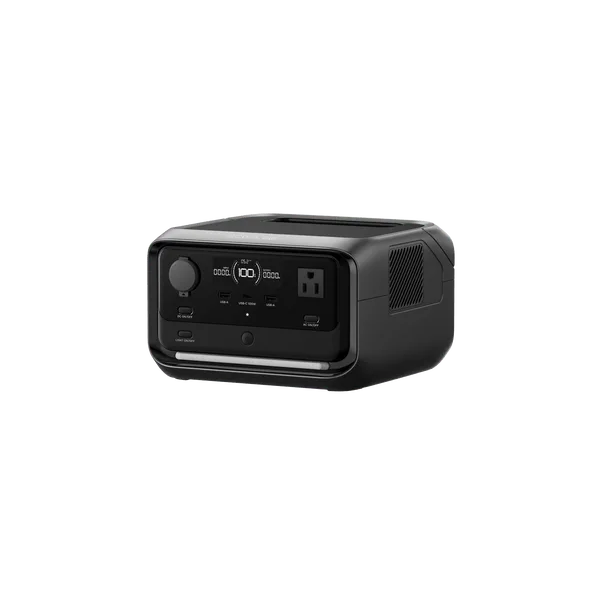
Camping power needs are different. Weight and solar recharge speed matter more than raw capacity. Here are the 5 you can actually carry.
Quick Answer: The best solar generator for camping in 2026 is the Jackery Explorer 1000 Pro — it weighs 25.4 lbs, recharges in 1.8 hours via solar, and powers a fridge, lights, and devices for a full weekend. For ultralight backpacking, the BLUETTI AC2A (6.2 lbs, 204Wh) is the lightest option that still runs meaningful gear. Every pick on this list was ranked for portability and solar recharge speed, not just raw power.
Most "best solar generator" lists rank by capacity and output. That makes sense for home backup. But camping? Camping is about tradeoffs that home backup doesn't care about.
Can you carry it from the car to the campsite without blowing out your back? Will it recharge from a solar panel while you're out hiking? Does it have enough ports to charge your phone, your partner's phone, a Bluetooth speaker, and a set of camp lights simultaneously?
We ranked these 5 picks specifically for camping — where weight, portability, solar recharge speed, and port availability matter more than peak wattage. Every unit here is something we'd actually take on a trip.
| Rank | Model | Price | Capacity | Weight | Solar Recharge | Output | Best For |
|---|---|---|---|---|---|---|---|
| #1 | Jackery Explorer 1000 Pro | $699–$899 | 1,002Wh | 25.4 lbs | ~1.8 hrs | 1,000W | Overall camping champ |
| #2 | EcoFlow River 3 Plus | $299–$399 | 286Wh | 7.7 lbs | ~3 hrs | 600W | Minimalist / day trips |
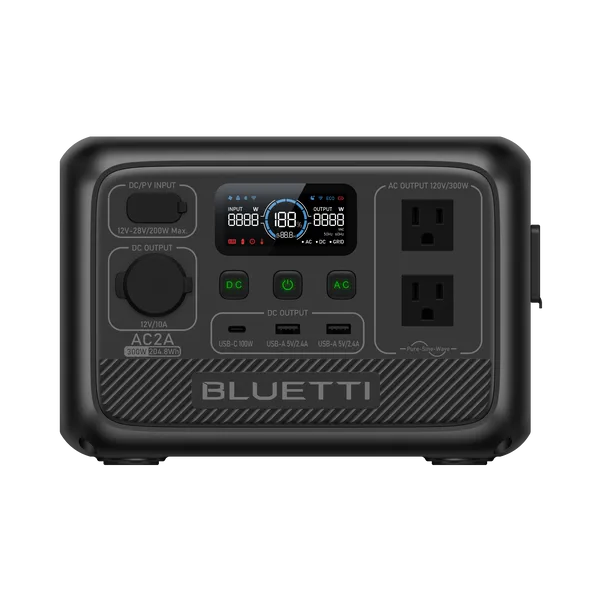
| #3 | BLUETTI AC2A | $199–$249 | 204Wh | 6.2 lbs | ~3-4 hrs | 300W | Ultralight LFP |
| #4 | ALLPOWERS R600 | $199–$299 | 299Wh | 7.9 lbs | ~3 hrs | 600W | Budget camping |
| #5 | Jackery Explorer 300 Plus | $249–$349 | 288Wh | 7.7 lbs | ~2 hrs | 300W | Backpackers |
The Jackery Explorer 1000 Pro is our top camping pick because it solves the core camping equation better than anything else: enough power for a real multi-day trip, portable enough to carry from the car, and fast enough solar recharge to top off during the day.
At 25.4 pounds with a solid built-in handle, it's manageable for car camping. You're not backpacking with it, but you can carry it from the trunk to the campsite without help. Once there, 1,002Wh means you can run a portable fridge/cooler all weekend, charge every device in your group, power camp lights through the night, and still have juice left over.
The solar ecosystem is the real differentiator. Pair it with two Jackery SolarSaga 100W panels and you get a full recharge in under 1.8 hours of direct sunlight. Set the panels up at camp while you hike, and you come back to a topped-off power station. No other camping setup recharges this fast at this weight class.
Who it's for: Car campers, family camping, multi-day trips, base camp setups, and anyone who wants to run a portable fridge without worrying about power.
If you're a minimalist camper — someone who packs light, stays mobile, and doesn't need to power a portable fridge — the EcoFlow River 3 Plus is arguably the better camping companion than the Jackery. At 7.7 pounds, it weighs less than most camp stoves. You can toss it in a daypack.
The standout feature for camping is the insane AC charging speed: 0 to 80% in 50 minutes. Stop at a rest area or coffee shop on the way to the trailhead, plug in for less than an hour, and you're fully juiced. Solar recharge is adequate at about 3 hours with a compatible 110W panel.
286Wh is plenty for phones, laptops, LED camp lights, a Bluetooth speaker, and a portable fan. The 600W output also means you can run a small blender for camp smoothies (yes, we've tested this) or charge a drone between flights.
Who it's for: Solo campers, day-trippers, motorcycle campers, minimalists who prioritize weight above all else, and anyone who camps near their vehicle and can top off quickly.
The BLUETTI AC2A is the lightest unit on this list at 6.2 pounds, and it uses LFP battery chemistry that will outlast every NMC competitor at this size. In the camping world, that longevity matters — a power station you use 50 weekends a year for a decade is 500 cycles. LFP handles that without breaking a sweat. NMC? Already declining.
At 204Wh and 300W output, the AC2A is deliberately small. BLUETTI isn't pretending this runs your campsite kitchen. It's built for the essentials: phones, headlamps, small LED camp lights, a camera battery charger, and maybe a heated blanket on a cold night. It does those things beautifully and reliably, and it'll keep doing them for years.
Who it's for: Campers who already have a headlamp, a camp stove, and manual gear. The AC2A is a supplement, not a centerpiece. Perfect for through-hikers who want AC power at camp without carrying serious weight.
The ALLPOWERS R600 is the best budget camping power station on this list. At $199-$299, it undercuts the EcoFlow River 3 Plus while offering more capacity (299Wh vs. 286Wh), equal output wattage (600W), and a feature the others lack: USB-C Power Delivery at 100W. That means you can charge it from a USB-C PD charger — the same one that charges your laptop. One charger, two devices.
The built-in wireless charging pad on top is a nice camping touch. Set your phone on it while you cook dinner. No cables to fish out of your pack. The LFP battery is rated for 3,500+ cycles, which at weekend camping frequency means this thing will outlast your tent, your sleeping bag, and possibly your car.
Who it's for: Budget-conscious campers who want maximum features per dollar. College students heading to music festivals, car campers who don't need to power a fridge, and anyone who wants a solid camping power station under $300.
The Jackery Explorer 300 Plus is the backpacker's choice. It inherits Jackery's proven build quality and solar panel ecosystem in a 7.7-pound package with LFP battery chemistry. If you already own or plan to buy Jackery SolarSaga panels, this is the lightest compatible unit in their lineup.
Jackery's edge here is solar recharge speed. With a SolarSaga 40W or 80W panel, the 300 Plus fills up in about 2 hours of good sun. That's fast enough to recharge during a lunch stop on a multi-day hike. The form factor is designed for outdoor use — rubberized corners, a solid carrying handle, and an intuitive display that's readable in direct sunlight.
At 288Wh and 300W output, it's in the same ballpark as the BLUETTI AC2A and ALLPOWERS R600 for capacity, but the Jackery solar ecosystem and faster solar recharge give it an edge for extended backcountry trips where solar is your only charging option.
Who it's for: Backpackers, through-hikers, and wilderness campers who plan to recharge exclusively via solar. If you're deep in the backcountry for 3-5 days and need reliable solar recharging, Jackery's panel ecosystem is the most proven option.
Camping power stations live in a different world than home backup units. Here's what actually matters when you're sleeping in a tent.
This is the single most important camping metric. Divide the capacity (Wh) by weight (lbs) and you get Wh-per-pound — how much energy you carry per unit of effort.
If you're car camping and weight doesn't matter much, the Jackery 1000 Pro gives you the most energy per pound. If you're carrying it on your back, absolute weight matters more than the ratio — go with the AC2A at 6.2 lbs.
When you're off-grid for multiple days, solar recharge is your lifeline. The faster your unit recharges, the less you worry about rationing power.
Jackery's SolarSaga ecosystem is the most proven for camping. Their panels fold flat, have built-in kickstands, and are designed to pair with their power stations. EcoFlow and ALLPOWERS have compatible panels too, but the Jackery experience is the most polished for outdoor use.
At camp, you're charging multiple things simultaneously: phones, headlamps, cameras, speakers, lanterns. Count the ports before you buy:
Camping power stations will get bumped, set in damp grass, exposed to morning dew, and occasionally rained on. None of these units are waterproof (don't submerge them), but some handle the elements better than others. The Jackery units have rubberized corners and are built for outdoor use. The BLUETTI AC2A is well-sealed. The ALLPOWERS R600 is sturdy but less refined in the shell construction.
Always keep your power station off the bare ground. Set it on a dry bag, a flat rock, or inside your vestibule. Morning condensation on cold metal can cause issues over time.
Every unit on this list charges from a 12V car outlet. This turns your drive to the campsite into charging time. A 300Wh unit fully charges in about 2-3 hours via car — meaning it's topped off before you arrive. The Jackery 1000 Pro takes longer (5-6 hours) via 12V, so plan to supplement with solar at camp.
Take our 2-minute quiz for a personalized recommendation, or use the calculator to figure out exactly how much capacity your camping gear needs.