Portable generators, home batteries, and solar installation — honest reviews, real specs, no fluff.
Select your primary use case and we’ll show you exactly what you need — no jargon, no fluff.
For camping, you need a lightweight, portable unit with 500–1,000Wh capacity. Focus on portability, pass-through charging, and fast solar recharge. You don’t need huge wattage — just reliable power for lights, phones, a mini-fridge, and a fan. Recommended capacity: 500–1,200Wh.
Lightweight at 25.4 lbs, ultra-fast solar recharge in under 1.8 hours with Jackery SolarSaga panels. Perfect for weekend campers who want reliable power without bulk.
Check Price →Ultra-compact and lightweight at just 7.7 lbs. Charges 0–80% in 50 minutes via AC. Great budget-conscious option for minimalist campers or day hikers.
Check Price →Emergency backup requires 2,000Wh+ capacity with high AC output to run critical appliances: refrigerator, medical devices, lights, and charging hubs. LFP battery chemistry is critical here — 3,500+ cycles vs. 500 for standard lithium-ion. Recommended capacity: 2,000Wh+.
Industry-leading 1-hour AC recharge. Expandable to 6kWh with add-on batteries. Smart home integration and remote monitoring via app. Our top emergency prep recommendation.
Check Price →Built specifically for emergency preparedness. Rugged design, LFP battery, and a company focused entirely on self-reliance. Excellent warranty and US-based support.
Check Price →Full-time off-grid requires 3,000Wh+ with expandability, high solar input (800W+), and enough AC outlets to run a full home. LFP batteries are non-negotiable. Prioritize systems that integrate with existing solar panel arrays. Recommended capacity: 3,000Wh+.
Expandable to 25kWh with extra batteries and smart generator. Up to 1,600W solar input. Can power an entire home during outages. The benchmark for serious off-grid setups.
Check Price →Highest AC output in class at 6,000W — runs virtually anything. Expandable to 26.9kWh. Whole-home integration with transfer switch. Best-in-class for power-hungry off-grid setups.
Check Price →Van life demands compact size, multiple charging options (12V car, solar, AC), and reliable daily recharge. Weight matters — every pound counts in a van build. Target 500–1,500Wh with strong 12V input compatibility. Recommended capacity: 500–1,500Wh.
25.4 lbs with a built-in handle. Charges via 12V car outlet, solar, or AC simultaneously. Fast 1.8-hour solar recharge. The go-to choice for van lifers who need a reliable daily driver.
Check Price →Incredibly compact at 7.7 lbs. Pairs perfectly with a dedicated rooftop solar array. Ideal for solo van lifers with minimal power needs or as a secondary battery bank.
Check Price →Tested across real-world scenarios. Ranked on performance, value, and reliability — not brand deals.

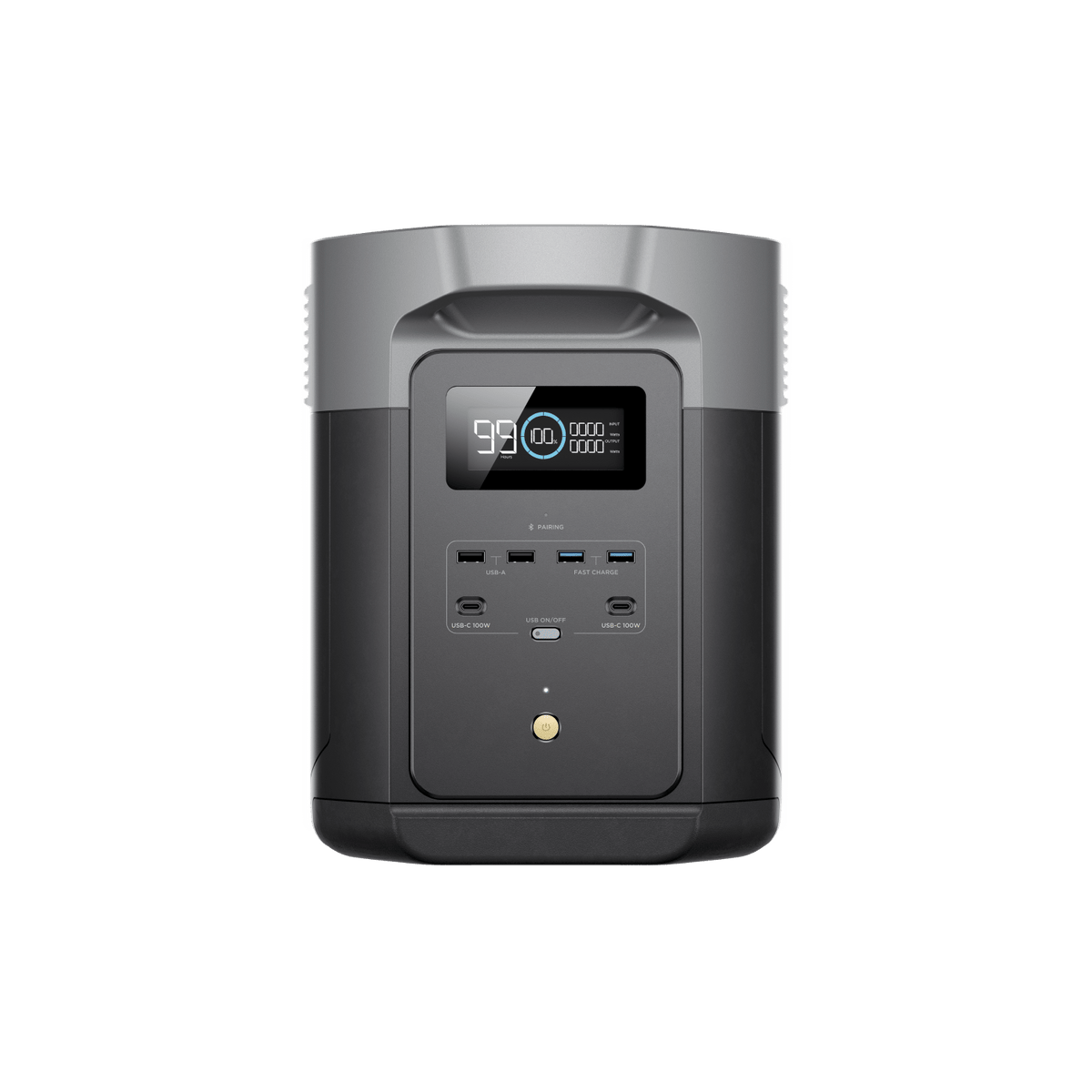
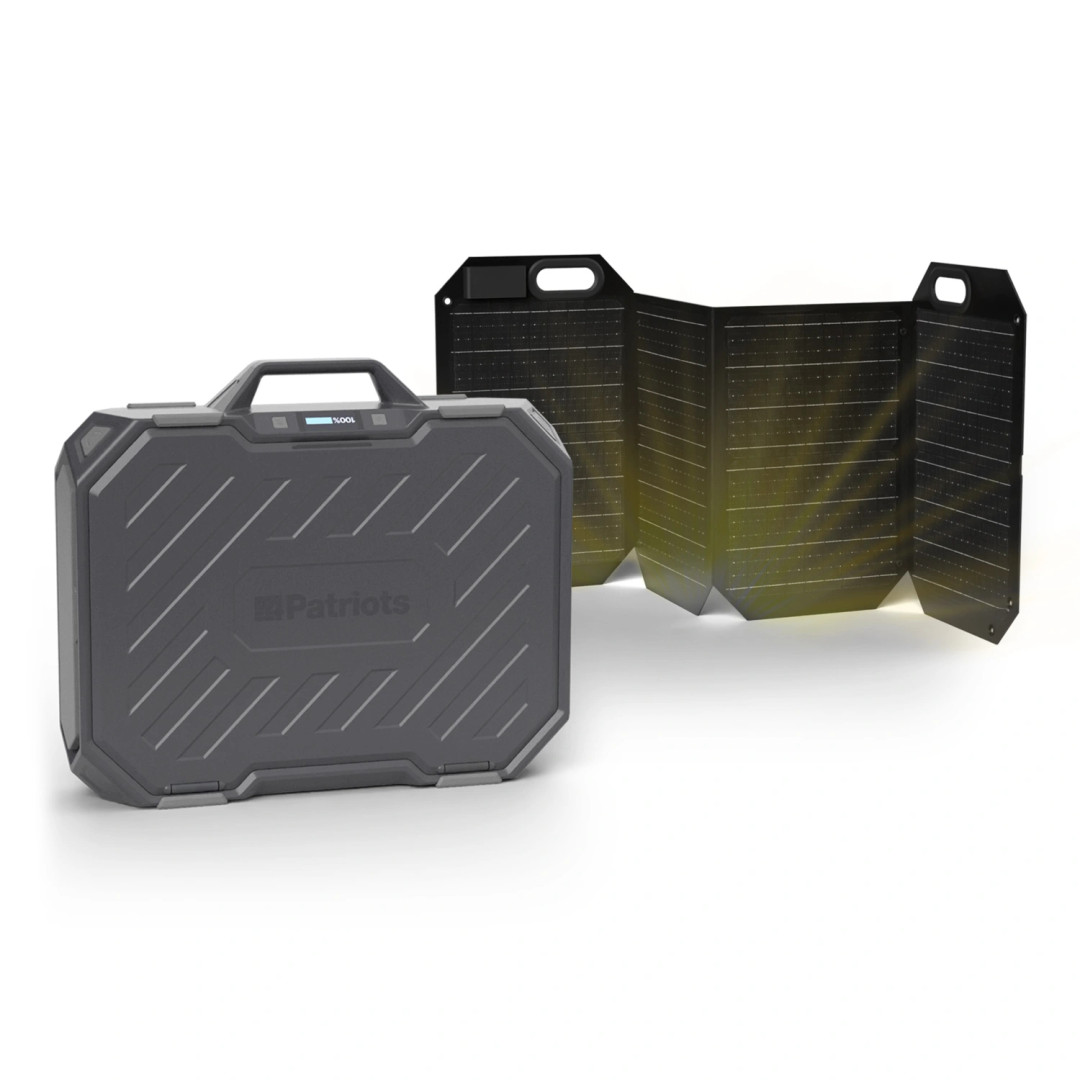


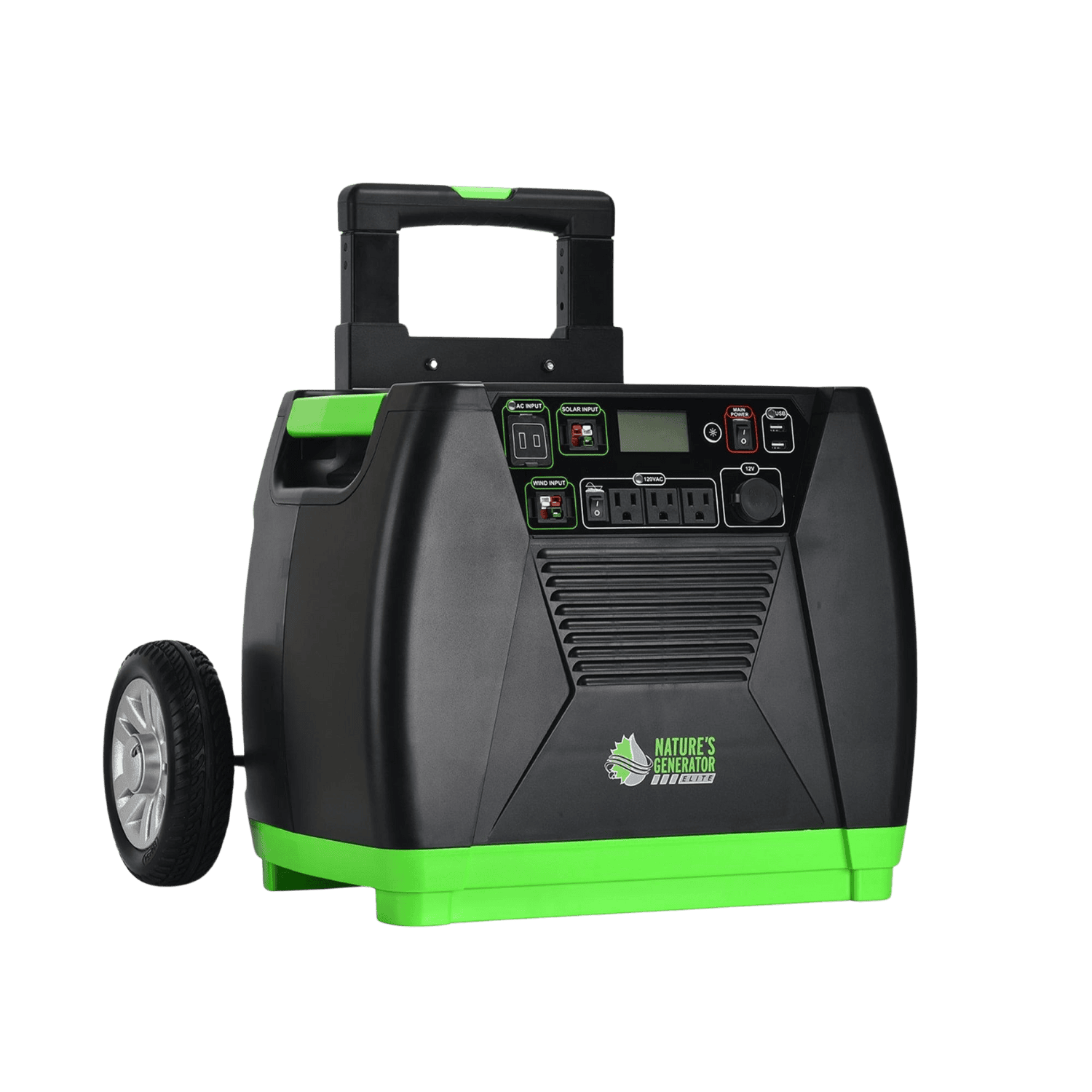
Going beyond portable? Hybrid home batteries store rooftop solar energy, keep your home powered during outages, and cut your electric bill year-round. We review them the same way we review generators — independent, spec-driven, no installer kickbacks.
Our portable generator rankings above are built for emergency backup, camping, and off-grid flexibility. If your goal is whole-home central AC, long-term utility savings, or a fixed roof array, residential solar is the right channel.
Review multiple personalized roof-solar quotes from marketplace and installer partners before you choose a contractor.
See which local, state, utility, and financing programs may apply before you decide whether rooftop solar makes sense.
S.E.T. remains focused on clear comparisons. Use the quotes as data, then evaluate price, contract terms, and equipment side by side.
Enter your ZIP code to start with EnergySage, then compare roof-solar options from marketplace and installer channels such as EnergySage, Modernize, and Sunrun.
Free research path. Compare the contract details before signing any proposal.Five pillars that make S.E.T. the only solar generator comparison platform you can actually trust.
No brand partnerships. No sponsored rankings. Every review starts from scratch with our own testing criteria.
We convert confusing technical specs into plain-English answers. Know exactly what you’re buying before you buy.
We don’t just rank generators — we match them to your specific lifestyle and real power needs.
Side-by-side spec tables, honest pros and cons, and clear disclosures on all affiliate relationships.
Runtime tests, charge cycle analysis, and temperature performance — not just spec sheet regurgitation.
Our newest head-to-head tests and buying guides.
Use our free solar calculator to find the exact capacity you need — based on your actual devices and usage habits. Takes 2 minutes.
Launch Solar Calculator →47 pages. Plain English. No fluff. Covers every major brand, real-world runtime tests, and our top picks for every budget.
No spam. Unsubscribe anytime. We hate junk mail as much as you do.