Wall-mounted and floor-standing battery systems that store solar energy, keep your home powered during outages, and cut your electric bill. Independent reviews — no installer kickbacks.
If you've been following S.E.T. for our portable solar generator reviews, home batteries are a different category entirely. These are permanent installations — wall-mounted or floor-standing units wired directly into your home's electrical panel by a licensed electrician.
Unlike a portable generator you plug appliances into, a home solar battery charges from your rooftop solar panels during the day, stores that energy, and powers your entire home at night. Most systems are grid-tied, meaning they can sell excess energy back to the utility through net metering and provide seamless automatic backup during outages — no manual switching, no extension cords.
The capacity difference is massive: portable generators typically offer 1–4 kWh, while home batteries range from 10 to 80+ kWh — enough to power an entire house for a full day or more.
Charge from solar, sell excess to the grid via net metering, and draw from grid when needed.
Automatically powers your home during outages — no manual switching required.
20–80x the capacity of portable generators. Power your home for days, not hours.
We evaluate battery systems on capacity, warranty, integration flexibility, installed cost, and real-world owner feedback. No installer partnerships influence our picks.
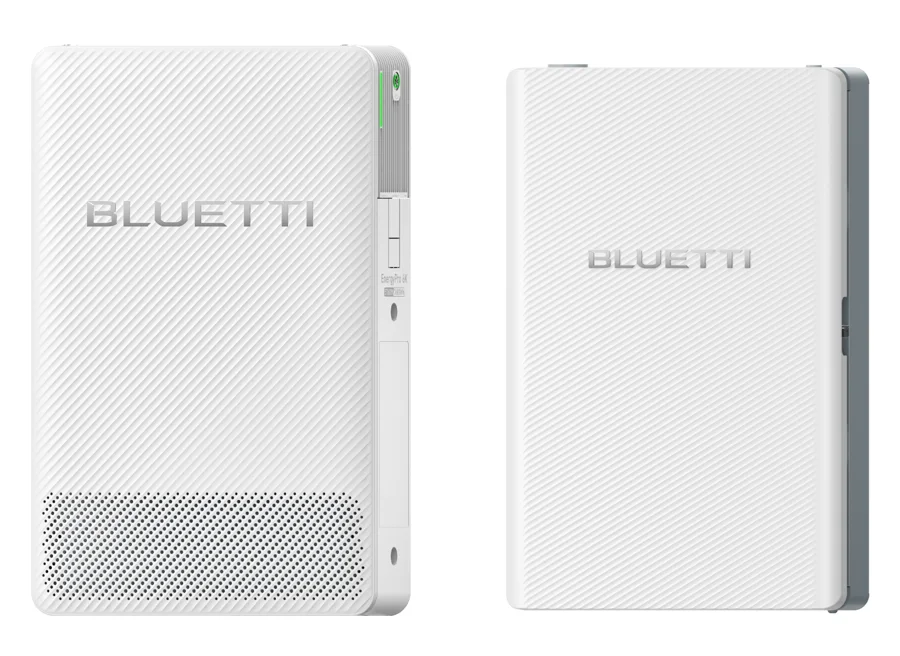
Includes the AT1 smart panel. Installation by a licensed electrician is extra. Sale price on BLUETTI.com as of Oct 18, 2026; prices change.
All six home batteries compared on the specs that matter most. Scroll right on mobile for full table.
| Product | Capacity | Output | Battery Type | Warranty | Grid-Tied | Best For | Price (Installed) |
|---|---|---|---|---|---|---|---|
| Enphase IQ 5P | 5 kWh (modular) | 3.84 kW | LiFePO4 | 15 years | Yes | Enphase homes | $5,000–$7,500/unit |
| Tesla Powerwall 3 | 13.5 kWh | 11.5 kW | LiFePO4 | 10 years | Yes | Whole-home | $8,400–$12,500 |
| FranklinWH aPower 2 | 15 kWh (modular) | 10 kW | LiFePO4 | 15 years | Yes | Solar retrofits | $14,000–$18,000 |
| Mango Power E | 3.5 kWh | 3 kW | LiFePO4 | 10 years | Optional | Flex backup | $1,299–$4,199 |
| EcoFlow DPU | 6 kWh (modular) | 7.2 kW | LiFePO4 | 10 years | Yes | Off-grid | $5,799–$10,999 |
| BLUETTI EnergyPro 6K | 7.68 kWh (modular) | 5.76 kW | LiFePO4 | 10 years | Yes | Solar add-on backup | $5,274 + install |
Most homeowners want a grid-tied system. Your battery charges from solar during the day, powers your home at night, and sells excess back to the utility through net metering. Off-grid systems (like the EcoFlow Delta Pro Ultra can support) disconnect entirely from the grid — ideal for rural properties but requiring significantly more capacity and careful load management.
DC-coupled batteries (like the Enphase IQ 5P with Enphase microinverters) are more efficient because solar energy stays as DC current from panel to battery, avoiding conversion losses. AC-coupled batteries (like the FranklinWH aPower 2) convert DC to AC and back, losing 5–10% in the process — but they work with any existing solar inverter, making them ideal for retrofits.
The average US home uses about 30 kWh per day. For essential-load backup (fridge, lights, router, medical devices), 10–15 kWh covers most homes for 12–24 hours. For whole-home backup including HVAC, you'll need 20–40 kWh or more. Check your utility bill for daily kWh usage and size accordingly.
Home batteries are a 10–15 year investment. The Enphase IQ 5P and FranklinWH aPower 2 lead with 15-year warranties, while Tesla, Mango Power, and EcoFlow offer 10 years. Pay attention to warranty terms — most guarantee the battery will retain 70–80% of original capacity by warranty's end.
The 30% federal Investment Tax Credit (ITC) for residential clean energy expired December 31, 2025 under the One Big Beautiful Bill Act. Batteries installed before that date qualified. As of 2026, no federal residential tax credit applies to home battery installations. Some states still offer incentives — California's SGIP, New York, and Massachusetts programs remain active. Check the DSIRE database for your state.
Pairing rooftop solar with a home battery maximizes your savings. Get free, no-obligation quotes from vetted installers in your area.
A hybrid home solar battery is a permanently installed energy storage system that connects to both your rooftop solar panels and the electrical grid. It stores excess solar energy generated during the day for use at night, during peak electricity rates, or during power outages. "Hybrid" means it can draw from and export to both solar and grid sources, unlike off-grid-only batteries.
Home solar battery costs range from $3,500 to $20,000+ installed, depending on capacity and brand. A single Tesla Powerwall 3 (13.5 kWh) runs $13,000–$16,500 installed. The FranklinWH aPower 2 (15 kWh) runs $15,000–$20,000 with the required aGate controller. Modular systems like the Enphase IQ Battery 5P cost $5,000–$7,500 per 5 kWh unit. Note: the 30% federal ITC expired December 31, 2025 — check your state for local incentives.
The 30% federal Investment Tax Credit (ITC) for residential clean energy expired on December 31, 2025 under the One Big Beautiful Bill Act. Batteries installed before that date qualified. As of 2026, no federal residential tax credit is available for home battery installations. However, some state-level incentives remain active — California’s SGIP, New York, and Massachusetts programs still offer rebates. Check the DSIRE database for your state’s current programs.
Portable solar generators (1–4 kWh) are standalone plug-and-play devices you can move anywhere. Home solar batteries (10–80+ kWh) are permanently installed, wired into your electrical panel, charge from rooftop solar panels, integrate with the grid for net metering, and provide automatic seamless backup during outages. Home batteries require professional installation and are a long-term infrastructure investment, while portable generators are consumer electronics you can buy and use the same day.