Cycle life, safety, weight, cost, and temperature tolerance — the complete breakdown so you buy the right chemistry the first time.
Quick Answer: LiFePO4 (lithium iron phosphate) is the better battery chemistry for solar generators in 2026. It lasts 3,000–4,000 charge cycles (vs. 500–800 for lithium-ion NMC), won’t catch fire under normal failure conditions, handles extreme heat and cold better, and costs less per cycle over its lifetime — despite a 15–30% higher upfront price. Every major brand (BLUETTI, EcoFlow, ALLPOWERS, Jackery) now ships LiFePO4 in their flagship models. Choose NMC lithium-ion only if you need the lightest possible weight for occasional recreational use and are comfortable replacing the unit in 5–7 years.
Every portable solar generator runs on lithium batteries. But “lithium” is a family, not a single chemistry. The two types you’ll see in solar generators are LiFePO4 and NMC lithium-ion — and they behave very differently.
LiFePO4 uses an iron phosphate cathode. It’s the same chemistry Tesla uses in its Standard Range vehicles and in the Powerwall 3 home battery. The iron phosphate structure is inherently stable — it doesn’t decompose into oxygen at high temperatures the way nickel-based cathodes do, which eliminates the primary thermal runaway pathway.
What this means for solar generators: LiFePO4 cells last 3,000–4,000+ charge cycles before losing 20% of capacity. They’re safe to charge and discharge in extreme temperatures (-4°F to 140°F operating range on most units). They won’t catch fire even if the battery management system (BMS) fails. The trade-off is weight — LiFePO4 cells have a lower energy density than NMC, so the same capacity battery weighs 20–30% more.
NMC lithium-ion uses a nickel-manganese-cobalt cathode. This is the chemistry in most laptops, phones, and older solar generators. NMC cells pack more energy into less weight (higher energy density), which makes them popular for applications where portability is paramount.
The downside: NMC cells degrade faster (500–800 cycles to 80% capacity), are less thermally stable (the nickel-cobalt cathode can release oxygen at high temperatures, creating a thermal runaway risk), and perform poorly in extreme cold. They’re not dangerous under normal use — modern BMS systems prevent most failure scenarios — but they require more careful thermal management and have a meaningfully shorter useful life.
Here’s every metric that matters, compared directly. Green highlights indicate the superior chemistry for each factor.
| Factor | LiFePO4 | NMC Lithium-Ion | Winner |
|---|---|---|---|
| Cycle Life | 3,000–4,000 cycles | 500–800 cycles | LiFePO4 |
| Lifespan (daily use) | 10–15+ years | 2–4 years | LiFePO4 |
| Thermal Stability | Decomposes at 570°F | Decomposes at 410°F | LiFePO4 |
| Fire Risk | No thermal runaway | Possible under extreme failure | LiFePO4 |
| Energy Density | 90–120 Wh/kg | 150–220 Wh/kg | NMC |
| Weight (2,000Wh unit) | 45–55 lbs | 35–45 lbs | NMC |
| Upfront Cost | 15–30% higher | Lower | NMC |
| Cost Per Cycle | $0.10–$0.15 | $0.30–$0.50 | LiFePO4 |
| Cold Weather | Charges to -4°F | Charging below 32°F degrades cells | LiFePO4 |
| Hot Weather | Stable to 140°F+ | Degrades faster above 113°F | LiFePO4 |
| Depth of Discharge | 100% usable | 80–90% recommended | LiFePO4 |
| Self-Discharge Rate | 2–3% per month | 5–8% per month | LiFePO4 |
| Environmental Impact | No cobalt, no nickel | Contains cobalt (ethical concerns) | LiFePO4 |
Score: LiFePO4 wins 10 of 13 categories. NMC’s only advantages are energy density (lighter weight), upfront cost, and — well, that’s it. For a device that sits in your garage, truck, or closet and needs to work reliably for years, those three wins don’t outweigh ten losses.
Cycle life is the number that determines how much your solar generator actually costs over time. It’s more important than price, more important than weight, and more important than peak output.
Here’s the math that makes this clear:
Result: The NMC unit costs 3.9x more per cycle despite costing $500 less upfront. Over 10 years of 2x/week use, you’d need to buy two NMC units ($1,998) vs. one LiFePO4 unit ($1,499).
This is the argument that ends the debate for most buyers. A “cheaper” NMC solar generator is only cheaper if you use it rarely. The moment you cycle it regularly — for home backup, daily off-grid use, remote work, or medical device support — the LiFePO4 unit becomes the budget option by a wide margin.
Both LiFePO4 and NMC solar generators are safe when the battery management system (BMS) is functioning correctly. Modern BMS boards handle overcharge protection, over-discharge protection, short circuit prevention, and thermal monitoring. Under normal conditions, neither chemistry poses a meaningful safety risk.
Where they diverge is what happens when something goes wrong:
This matters most for:
As of mid-2026, every major solar generator manufacturer has moved toward LiFePO4 in their flagship products. Here’s the current landscape:
| Brand | Chemistry | Key Models | Cycle Rating |
|---|---|---|---|
| BLUETTI | 100% LiFePO4 | AC300, AC200L, AC200MAX, EP500Pro, AC70 | 3,500+ cycles |
| EcoFlow | LiFePO4 (flagships) | Delta 2 Max, Delta Pro, Delta Pro Ultra, RIVER 3 | 3,000+ cycles |
| ALLPOWERS | 100% LiFePO4 | R4000, R3500, R2500, R600 | 3,500+ cycles |
| Jackery | Mixed | Explorer 2000 Plus (LFP), Explorer 1000 Pro (NMC), 300 Plus (LFP) | 3,000–4,000 (LFP models) |
| Nature’s Generator | LiFePO4 | Powerhouse, Elite, Gold | 2,500+ cycles |
| Anker SOLIX | LiFePO4 | F3800, F2600, C300 | 3,000+ cycles |
The industry trend is unmistakable: LiFePO4 has won. NMC is being phased out of mid-range and premium products. You’ll still find NMC in budget models under $300 and in some older Jackery/EcoFlow SKUs that haven’t been refreshed, but any new flagship product from a major brand ships with LiFePO4.
If you’re buying a solar generator today and it doesn’t specify “LiFePO4” or “lithium iron phosphate” in the listing, assume it’s NMC. And ask yourself whether the savings are worth a 4–6x shorter lifespan.
Most buyers should choose LiFePO4. But “most” isn’t “all.” Here’s the honest breakdown of when each chemistry makes sense.
For most readers of this site — people buying solar generators for home backup, remote work, RV life, or off-grid living — LiFePO4 is the right choice in 2026. The price premium has shrunk to 15–20% over the last two years, and the lifespan advantage is massive.
If you’ve decided LiFePO4 is the right chemistry (and you probably have), here are our top picks at every price point. All of these are models we’ve reviewed or tested in-depth.
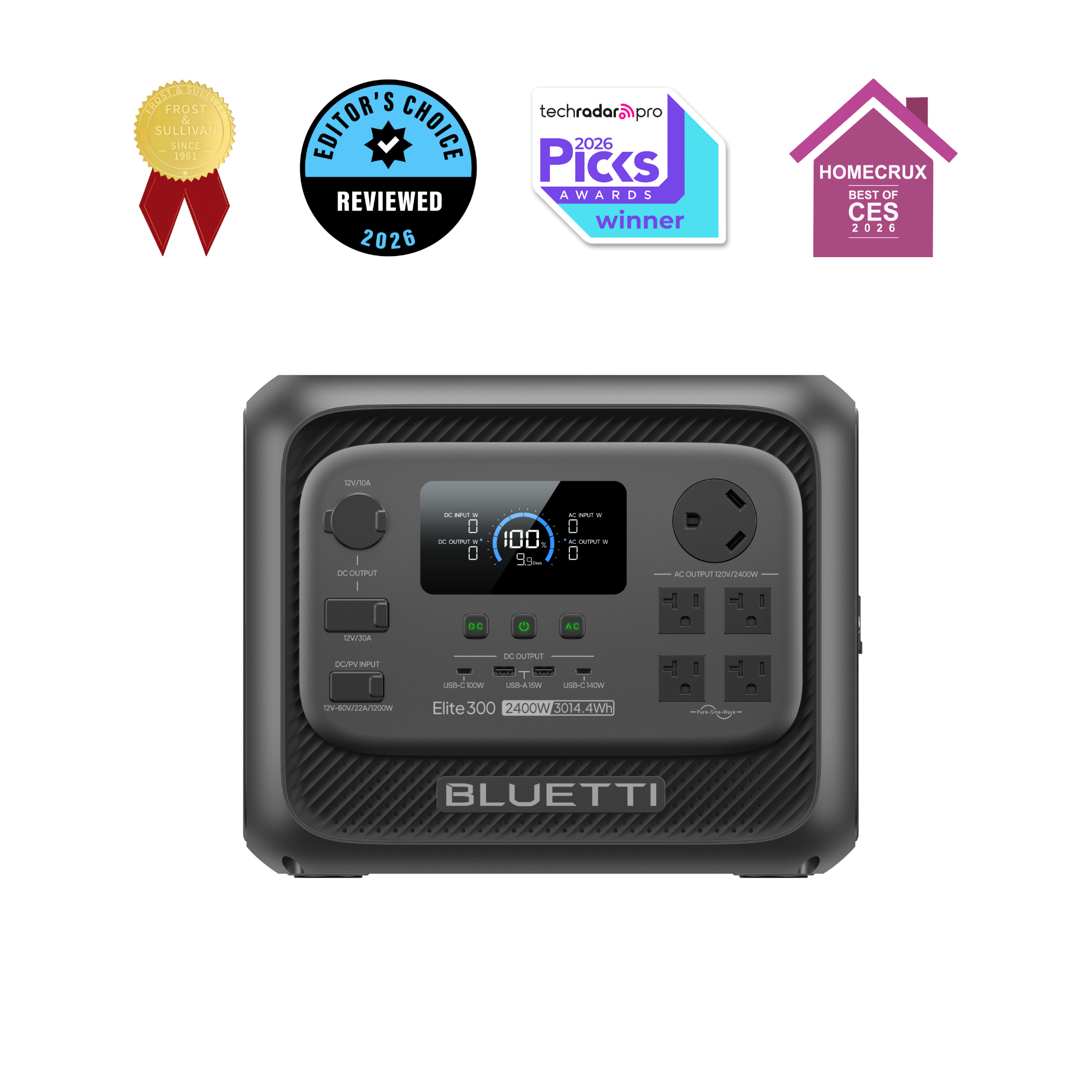
The BLUETTI AC300 is our top overall pick for home backup. Modular design scales from 3,072Wh to 12,288Wh. 240V split-phase bonding for dryers and well pumps. 2,400W solar input for fast off-grid recharging. LiFePO4 with 3,500+ cycles means this system will outlast your roof.
Check Price at BLUETTI Full Comparison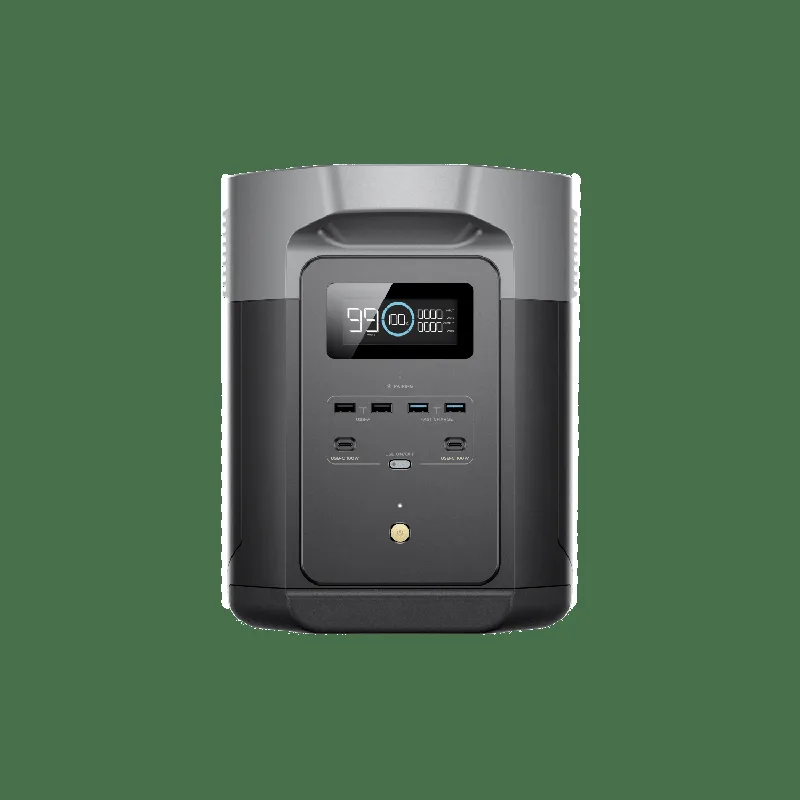
The best value in the LiFePO4 segment. Ultra-fast 43-minute AC charging (0–80%), expandable to 6,144Wh, and the 5,000W surge handles every compressor startup. Our full review gave it 4.9/5. If you want LiFePO4 reliability without the $2,500+ price tag, this is it.
Check Price at EcoFlow Full Review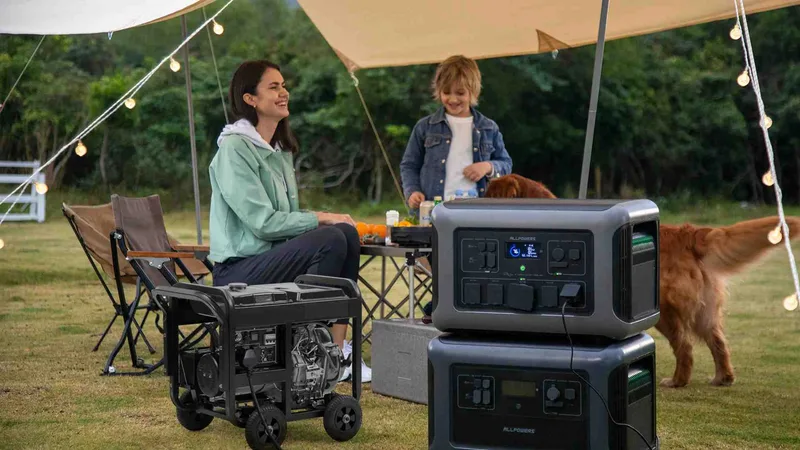
ALLPOWERS delivers more capacity and more output than the Delta 2 Max at a competitive price. The R3500 offers 3,168Wh of LiFePO4 storage and 3,500W output — enough to stack a fridge + microwave simultaneously. A genuine contender that doesn’t get enough attention. Full review here.
Check Price at ALLPOWERS Full Review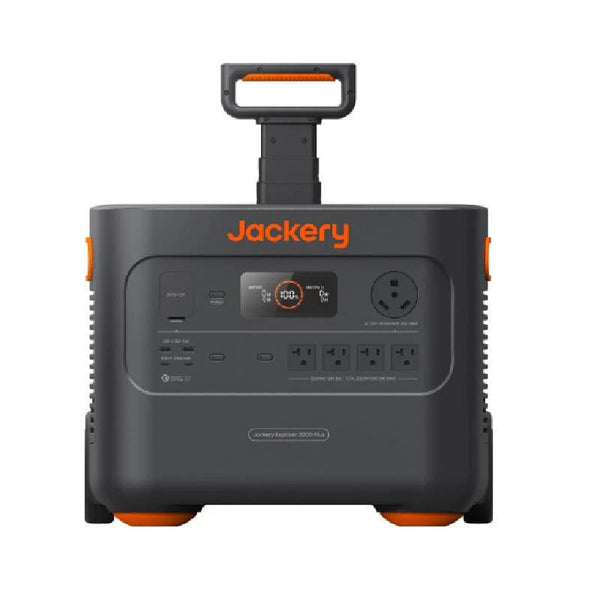
Jackery’s LiFePO4 flagship expands up to 24kWh with add-on battery packs — the deepest expansion in this class. 4,000 cycle rating is among the highest available. If you’re building a scalable off-grid or home backup system and want a trusted brand, the 2000 Plus is a strong choice. See all Jackery picks.
Check Price at Jackery Jackery Roundup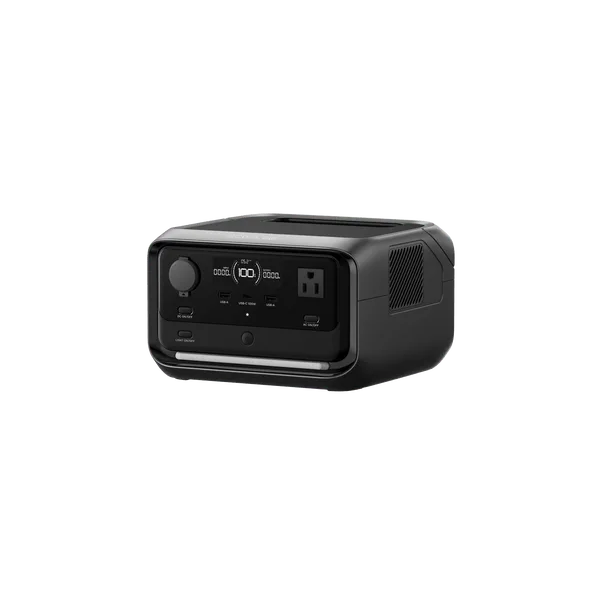
Proof that LiFePO4 doesn’t have to break the bank. Under $350, these units keep phones, laptops, CPAP machines, and LED lights running — with the same 3,000+ cycle lifespan as their bigger siblings. Perfect for first-time buyers. See our beginner’s guide.
Check ALLPOWERS R600 Beginner’s GuideFor a complete comparison of every model we recommend, visit our solar generator comparison tool.
The most common objection to LiFePO4 is weight. At the same capacity, a LiFePO4 solar generator weighs 20–30% more than an NMC unit. Here’s what that looks like in practice:
Does this matter? For backpacking and ultralight camping, yes. Carrying an extra 4–10 lbs in a pack over miles of trail is genuinely significant. If you’re an ultralight backpacker powering only a phone and headlamp, an NMC unit in the 300–500Wh range might be the right call.
For car camping, RV use, home backup, and van life? No. The weight difference between a 48 lb LiFePO4 unit and a 38 lb NMC unit is irrelevant when you’re loading it into a vehicle. And at 2,000Wh+, both are “two-person carry or use a dolly” territory regardless of chemistry.
The weight premium gets you 4–6x the lifespan, no fire risk, and better temperature tolerance. For every use case except long-distance hiking, that trade is overwhelmingly worthwhile.
LiFePO4 (lithium iron phosphate) and lithium-ion NMC (nickel-manganese-cobalt) are both lithium battery chemistries, but they differ significantly. LiFePO4 lasts 3,000–4,000 cycles (10+ years), is inherently resistant to thermal runaway (no fire risk), and handles extreme temperatures better. NMC offers 500–800 cycles, weighs 20–30% less at the same capacity, and costs less upfront. For regular use or home backup, LiFePO4 is the better investment. For occasional camping on a tight budget, NMC can work.
Yes. LiFePO4 is significantly safer. The iron phosphate cathode is thermally stable up to 570°F — it physically cannot undergo thermal runaway (the chain reaction that causes lithium battery fires). NMC cells can decompose and release oxygen at 410°F, potentially causing self-sustaining fires. For indoor use, garage storage, RVs, and medical device backup, LiFePO4’s safety advantage is meaningful. That said, modern NMC solar generators with quality BMS systems are safe under normal conditions.
As of 2026: BLUETTI uses LiFePO4 across 100% of their lineup. EcoFlow uses LiFePO4 in all flagship models (Delta 2 Max, Delta Pro, Delta Pro Ultra). ALLPOWERS is 100% LiFePO4. Jackery uses LiFePO4 in newer models (Explorer 2000 Plus, 300 Plus) but still has some older NMC models. Nature’s Generator and Anker SOLIX are also LiFePO4. If a listing doesn’t specify LiFePO4, assume it’s NMC.
LiFePO4 solar generators deliver 3,000–4,000 full charge cycles before reaching 80% original capacity. NMC lithium-ion delivers 500–800 cycles to the same threshold. At 2 cycles per week, a LiFePO4 unit lasts 33+ years vs. 5–8 years for NMC. Even the electronics will fail before the LiFePO4 battery does. This makes LiFePO4 the clear winner for total lifetime value — the cost per cycle is 3–4x lower despite higher upfront cost.
In most cases, yes. A LiFePO4 unit costs 15–30% more upfront but delivers 4–6x more usable cycles. The break-even point is typically around year 2–3 of regular use. After that, the LiFePO4 unit is effectively free compared to buying a second NMC replacement. The only exception: if you’ll use the generator fewer than 20 times per year, the NMC unit may die of age (component degradation, BMS aging) before you exhaust its cycle limit, making the cheaper NMC option acceptable.
Not sure which model fits your needs? Our comparison tool lets you filter by battery type, capacity, and budget.
Compare All Models Take the Quiz Our top 5 home backup picks → New to solar generators? Start here →47 pages. Plain English. No fluff. Covers every major brand, real-world runtime tests, and our top picks for every budget.
No spam. Unsubscribe anytime. We hate junk mail as much as you do.